

Make Food Not Waste

Reducing food waste begins with education people actually want to engage with. Social-first storytelling, practical resources, and approachable visuals helped translate Make Food Not Waste's mission into content that supports behavior change, community participation, and greater awareness of food waste's environmental impact.
SCOPE: ART DIRECTION, EDITING, PHOTOGRAPHY, DESIGN, VIDEO, SCRIPT WRITING
IN COLLABORATION WITH MODISH CREATIVE
WHERE IT WAS FEATURED:
TikTok
Newsletter
the results
〰️
the results 〰️

The “anti-fill-in-the-blank” trend practically had food baked into the joke, which made it ripe for Make Food Not Waste. I adapted its absurdity for the brand voice, turning a familiar social format into an unexpected way into the mission.
How Do You Make Fighting Food Waste Fun?
MAKE FOOD NOT WASTE ⦿ DIGITAL & CAMPAIGN WORK
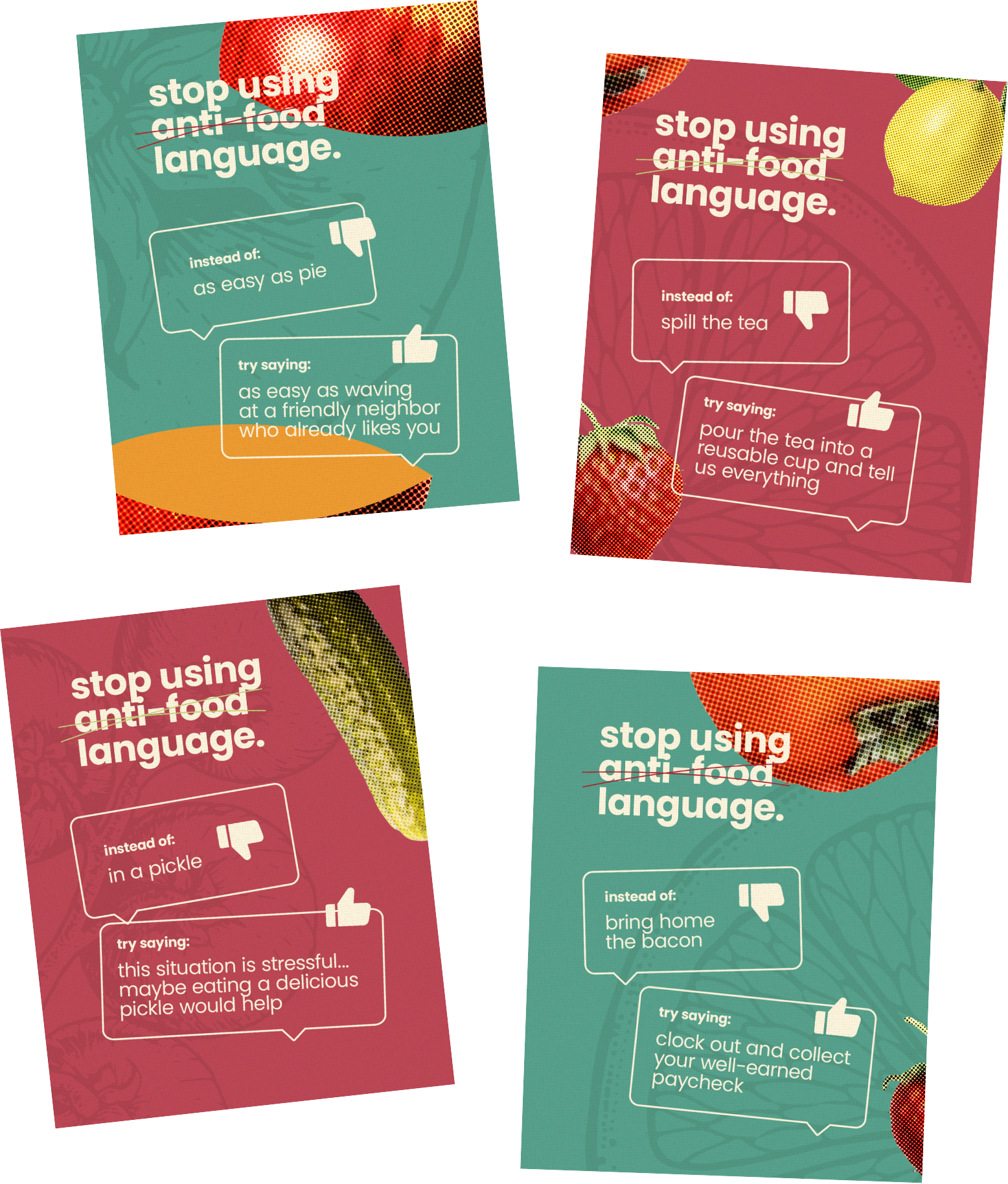
Make Food Not Waste is warm, peppy and community-minded, so even when the format changes, that personality stays intact. I’m a fan of trends when they earn their place. Knowing how to “speak social” also means knowing what belongs in a brand’s world and what doesn’t. When the fit is right, a trend can cast a wider net around the mission and give someone who might never stop for a post about food waste a reason to stop and chuckle at this one.
THE STRATEGY


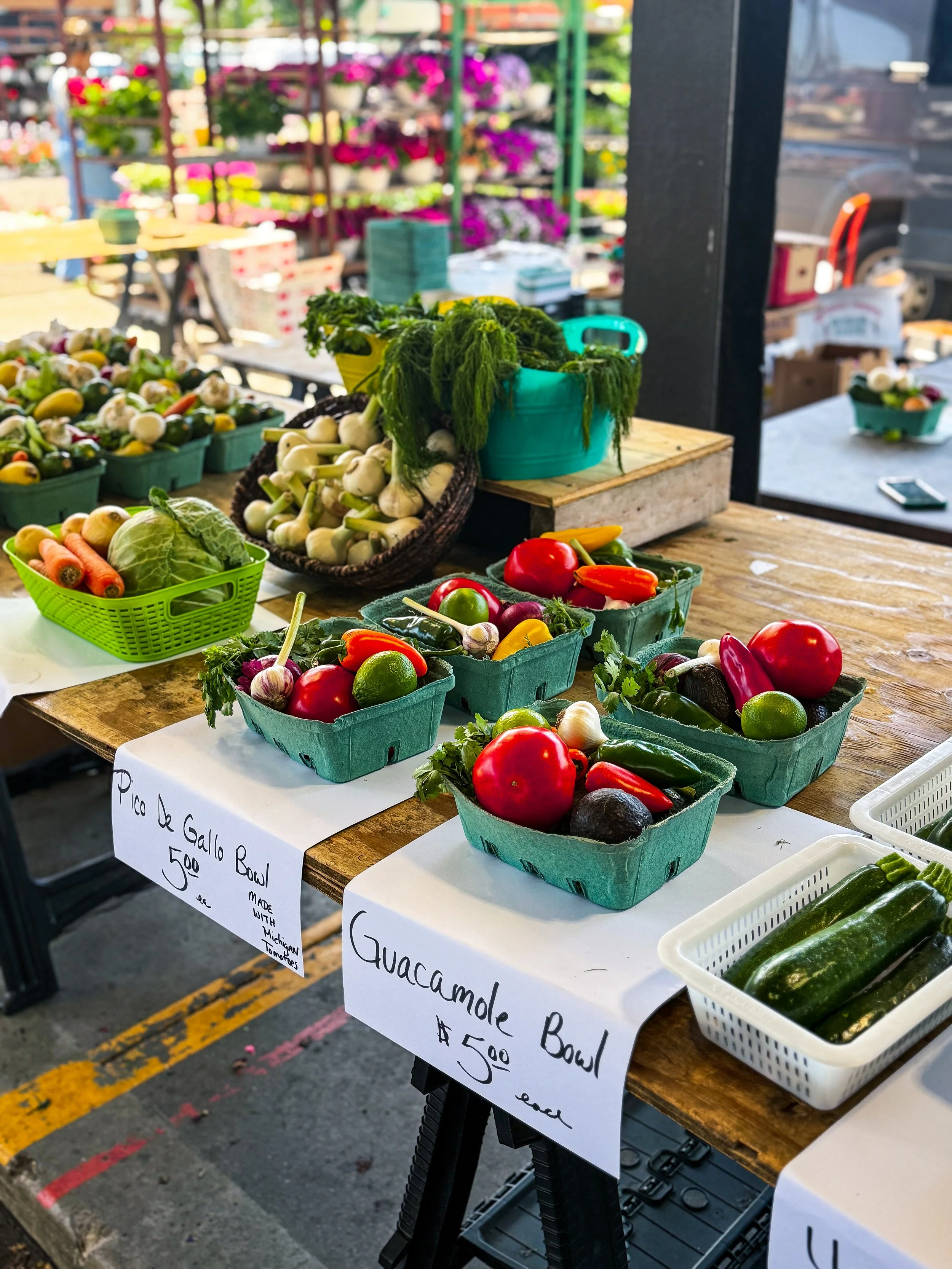
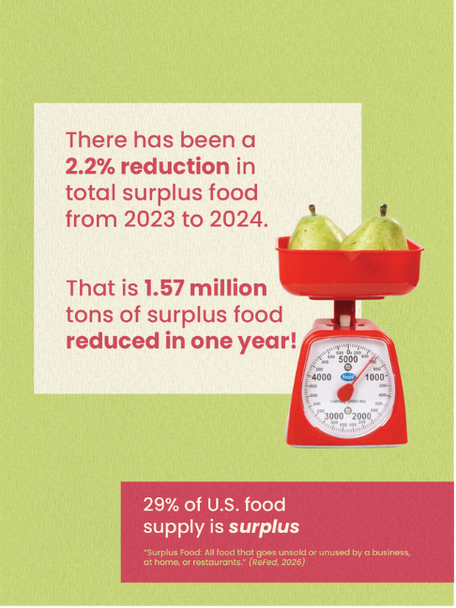
ReFED’s annual report is hundreds of pages of research on where America stands with food waste. This year, there was a bright spot in all that data: for the first time in years, food waste was moving in the right direction.
ReFED’s 2026 U.S. Food Waste Report
MAKE FOOD NOT WASTE ⦿ DIGITAL & CAMPAIGN WORK
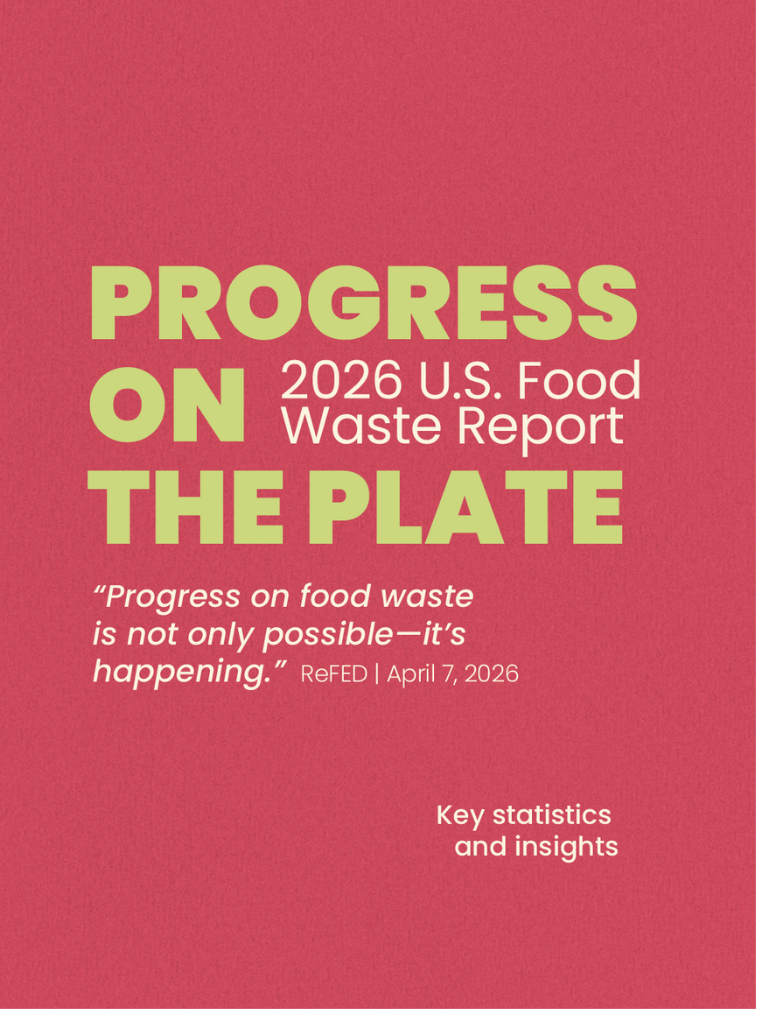
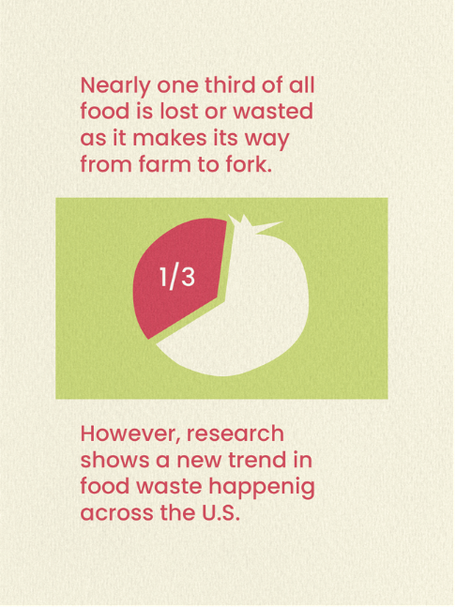
THE RUNDOWN
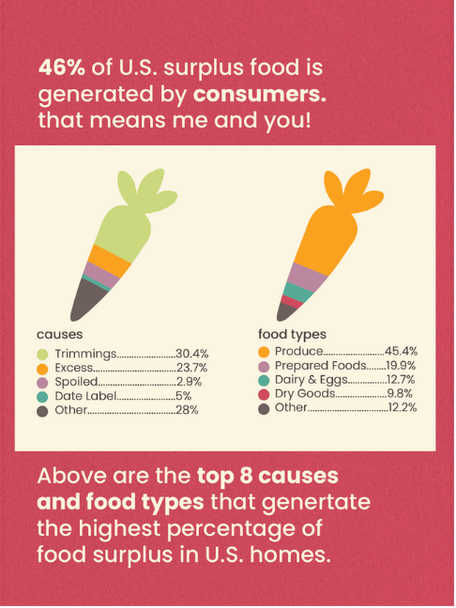
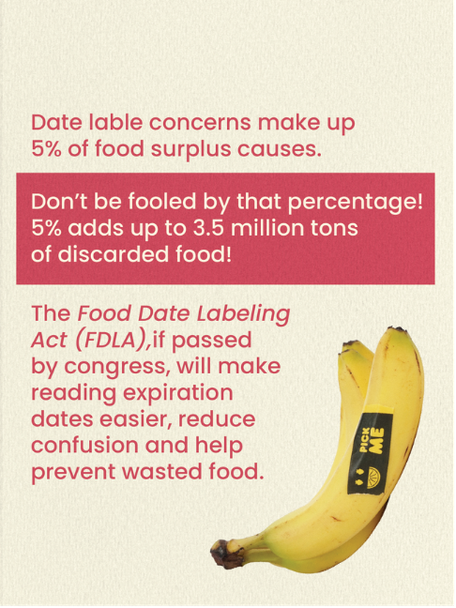
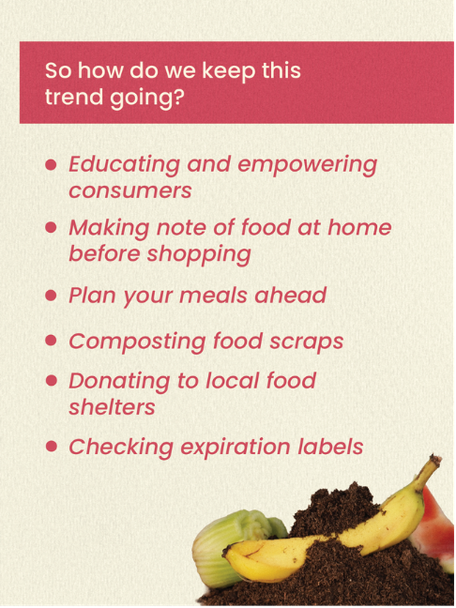
I zeroed in on the findings that felt most relevant to MFNW’s audience, from the 2.2% drop in surplus food to what’s changing inside American homes, and shaped them into a carousel that could make the research useful beyond the report itself. Rather than trying to fit everything in, I focused on the numbers that gave people a sense of where we are, why the shift is happening and where they fit into it.
The information was then sequenced to move from national progress to individual behavior, using simple visuals and familiar examples to give the data context and scale. To the left is that information adapted for an Instagram carousel post.
reels + video
(01)
The Lorax Does the Math
Part of Make Food Not Waste’s Earth Day campaign, this video turns an enormous statistic into something Detroiters can actually picture. We used Ford Field as a familiar point of reference to visualize the 42 million trees Michigan would need to plant each year to offset the methane emissions from landfilled food, with the Lorax as an unexpected visual hook.
ROLE: concept / scriptwriting / filming / editing
Inside the Kitchen [with Couscous + the Chefs ]
(02)
Instead of explaining food rescue through statistics, this piece shows it happening. Interviews with Make Food Not Waste’s chefs are paired with the couscous, lemon herb chicken and other ingredients they transformed, all food that had been intercepted before reaching the landfill.
ROLE: concept / filming / edit direction
(03)
From Overflow to Opportunity
A question-led hook and overflowing kitchen turn an abstract problem into something viewers can see. The video uses the scale of rescued food to stop the scroll, then shifts from awareness to action with a direct call for volunteers.
ROLE: concept / scriptwriting / filming / edit direction
(04)
Have You Heard About Southfield?
A social-first explainer for Make Food Not Waste’s Every Bit Counts initiative in Southfield. The conversational “Have you heard?” hook turns a municipal food waste program into something worth talking about, before showing residents how Southfield is working toward Michigan’s goal of cutting food waste in half by 2030.
ROLE: concept / scriptwriting / filming / editing
(05)
The Carrot Mic
The first piece of Make Food Not Waste’s Earth Day 2026 fundraising campaign reframed food waste as an environmental issue people can act on every day. The fundraising goal was broken into a simple ask: if 1,000 people gave $20, they’d get there. A carrot-turned-microphone added an on-brand visual hook for Facebook and Instagram.
ROLE: concept / scriptwriting / filming / editing
(06)
Meet the Next Generation
Part recruitment, part community storytelling. This intern spotlight introduces the people learning and working alongside Make Food Not Waste while giving prospective interns an authentic look at how they can get involved.
ROLE: concept / interviewing / filming / editing
(07)
Food Is Our Greatest Resource
Not every piece of social content has an immediate ask. This mission-driven video steps away from traditional social-first hooks in favor of cinematic storytelling, connecting food to dignity, memory, community and the environment to communicate why reducing food waste matters in the first place.
ROLE: concept / scriptwriting / filming / edit direction
(08)
Beet, Greet, Repeat ♻️
A recap of Beet & Greet, Make Food Not Waste’s recurring community happy hour and fundraiser. Hosted at restaurants around Detroit, the event brings together supporters, partners and the local community. The video captures the energy of the night while giving people who weren’t there a reason to join the next one.
ROLE: concept / filming / event recap / edit direction
(09)
Fighting Food Waste Looks Good On You [The T-Shirt Drop ]
A social-first product reel created to drive T-shirt sales in support of Make Food Not Waste. A trending camera angle and text-led hook gave the fundraiser the feel of organic fashion content rather than a traditional nonprofit merchandise push.
ROLE: concept / copywriting / filming / editing